
Nakuru County launches plan to recycle 700 tonnes of waste
ESTHER MWANGI AND WEDDY MUTUMA-KNA
The County Government of Nakuru is set to establish a modern Material Recovery Centre (MRC) to segregate waste into biodegradable, solid, plastic, and electronic waste for proper disposal and recycling.
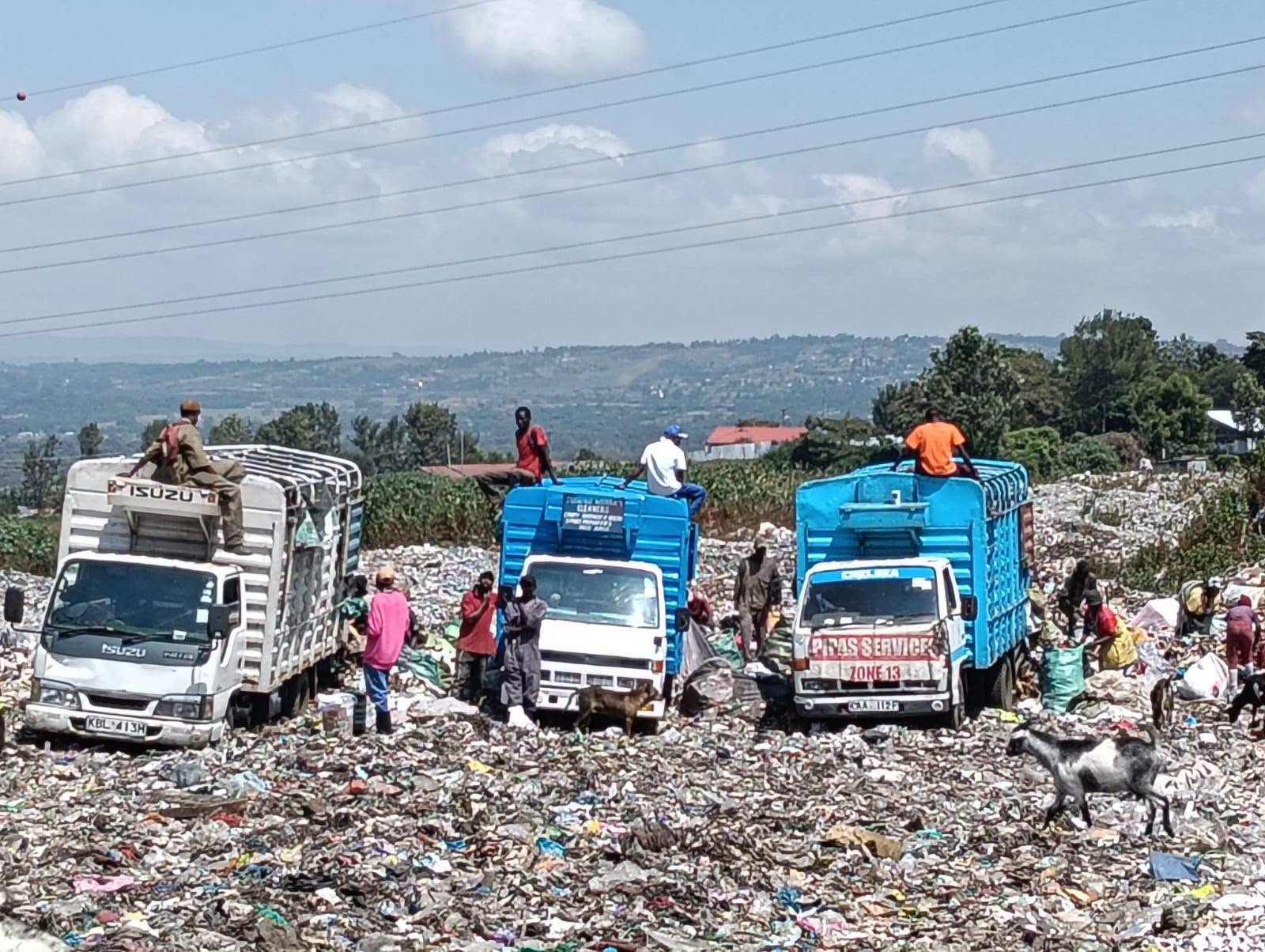
Governor Susan Kihika said the facility, to be located at the Giotto dumpsite, will enable the 700 tonnes of waste generated daily in the county to be sorted, recovered, and recycled before disposal, significantly reducing the amount of waste ending up at the dumpsite.
The Governor explained that biodegradable waste will be recycled to produce organic fertiliser, adding that the MRC will support a circular economy by recovering valuable materials, creating green jobs, improving the livelihoods of waste pickers through safer and more organised operations, and reducing environmental pollution.
“Once completed, this facility will be instrumental in turning waste into treasure while creating a safer working environment for waste pickers,” Kihika said.
Speaking in her office, the Governor noted that the facility will include a shredding machine to process plastics and promote recycling, in line with global efforts to curb plastic pollution.
For decades, the Giotto dumpsite has been at the centre of Nakuru’s waste management system.
Established in 1975 to serve a much smaller population, the site has since grown into an open dumpsite overwhelmed by rising waste volumes driven by rapid population growth.
Over the years, the Governor said Giotto had become a source of environmental pollution, foul odours, and uncontrolled fires due to methane gas production, posing health risks for communities in nearby estates, including Hilton, London, Milimani and parts of Kabarak and the larger Nakuru by affecting the county’s water and air quality.
The dumpsite, she added, which is located on one of the town’s highest spots, had further caused water pollution through surface runoffs into Lake Nakuru and Njoro River.
According to the United Nations Environment Programme (UNEP), cities generate more than 2 billion tonnes of municipal solid waste annually worldwide, a figure projected to rise to 3.8 billion tonnes by 2050 if sustainable waste management measures are not adopted.
The World Bank estimates that at least 33 per cent of the world’s waste is not managed in an environmentally safe manner, with open dumping contributing significantly to greenhouse gas emissions, land degradation and water pollution.
Environmental experts note that Material Recovery Facilities play a critical role in reducing landfill waste, conserving natural resources, lowering greenhouse gas emissions and supporting the transition towards a circular economy through increased recycling and reuse of materials.
Kihika stated that establishment of the MRC is part of United Nations -Sustainable Development Goals partnership (Un-SDG) and contributes to SDG 11: Sustainable Cities and Communities, SDG 12: Responsible Consumption and Production and SDG 13: Climate Action, while protecting public health and preserving Nakuru’s natural environment.
She said that her administration was actively supporting various initiatives towards converting waste disposal sites and sewerage treatment facilities into useful resources through recycling as a way of mitigating the impacts of the waste on the environment and public health.
Nakuru noted the Governor currently stands as the leading glass recovery county in Kenya, through modification of crushed aggregates into building blocks and furniture.
Nakuru will be the seventh county to build an MRF tapping into the opportunity of turning waste to treasure.
The county, according to the Governor, is undertaking the conversion of waste disposal sites and sewerage treatment facilities into centres of sustainable innovation.
Kihika pointed out that they were working in partnerships with local businesses, entrepreneurs, and organisations to transform waste into eco-friendly products like fuel briquettes, construction materials, furniture, and household items, among other innovative products.
She stated that they had adopted a sustainable and effective approach to waste management by embracing a circular economy model, which emphasises waste reduction, reuse, and recycling.
This approach, Kihika explained, could significantly reduce the amount of waste that ends up in landfills and mitigate its impact on climate change and public health.
“Through proper waste management, greenhouse gases emitted during waste combustion and decomposition in landfills will be reduced significantly,” she added.
She said they are encouraging business people and residents to continue practising the three Rs of reusing, recycling, and recovering what is useful from waste disposals.