
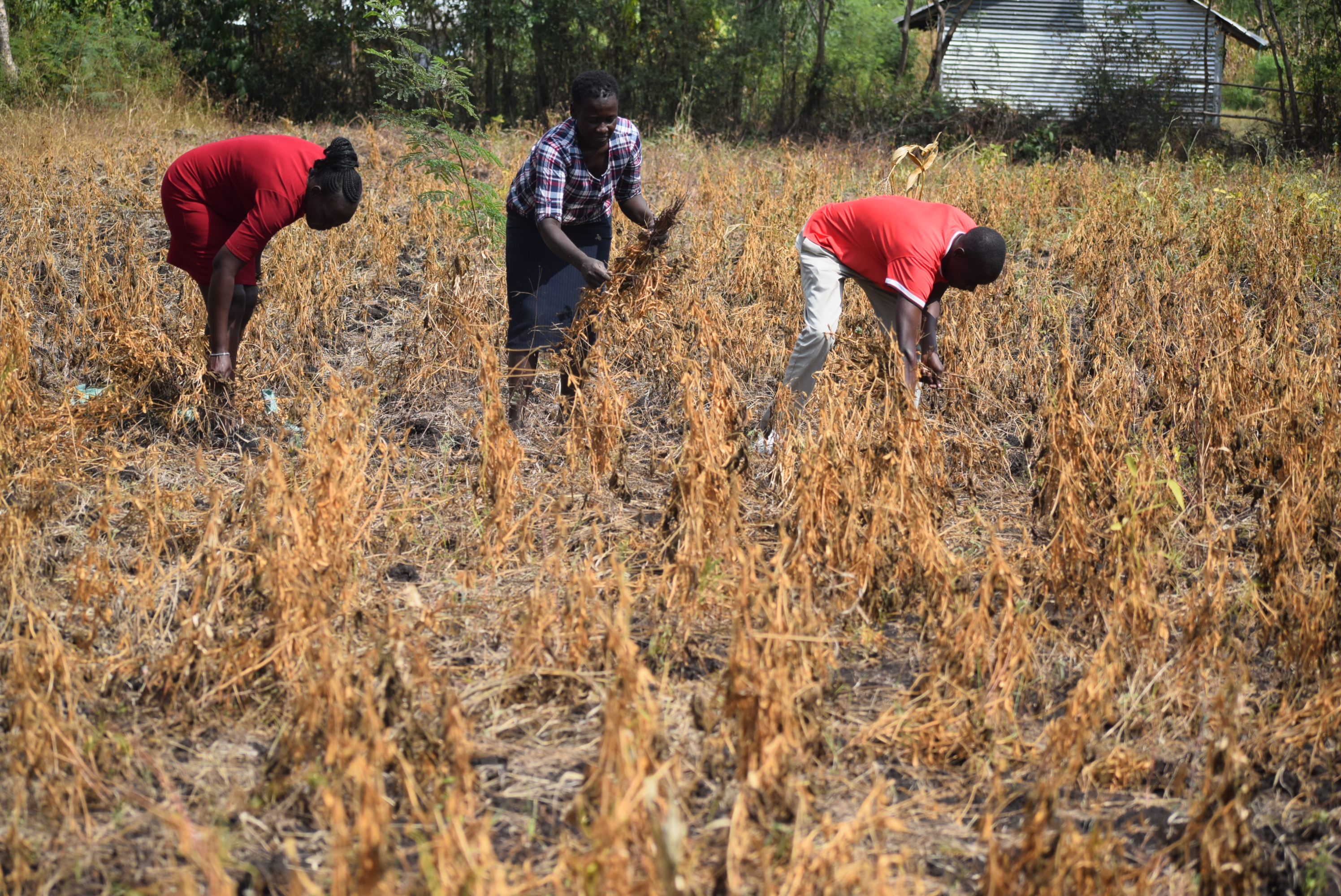
Soya bean farming powering Homa Bay’s aquaculture revolution
SITNA OMAR- KNA
As sacks of freshly harvested soya beans arrive at a village aggregation centre in Homa Bay County, each is carefully weighed and inspected to determine its cost.
To many farmers, it is another harvest and another payday. But these golden beans are destined for something much bigger than the dinner table. They are helping feed Kenya’s growing aquaculture industry.
For decades, fish feed manufacturers have relied heavily on imported ingredients to meet the country’s demand for aquacul ture feeds. Among the most important ingredients is soyabean meal, a protein-rich product widely used around the world as a plant-based alternative to fishmeal.
According to the Food and Agriculture Organization (FAO), fish feed is the largest operating cost in fish farming, and soya bean meal has become a key ingredient because it provides high-quality protein while reducing pressure on wild fish stocks used to produce fishmeal.
In Kenya, however, soyabean produc tion falls far short of demand, presenting both a challenge and an opportunity.
At the heart of efforts to bridge the gap is Homa Bay County, where an innovative programme is linking crop farmers with fish farmers to strengthen the aquaculture value chain while creating jobs for young people.
For Elijah Odondo, a village-based soya bean aggregator, the transformation begins at the aggregation centre.
“Our work is to receive soya beans from farmers, check the quality, weigh the produce and pay them but we also support farmers through train ing, interest-free loans and climate-resilient seed varieties,” he says